Family Stories
A Tribute to
Ms. Subramaniam
MAHESPAATY
Ms. Maheswari Subramaniam · Teacher extraordinaire · 93 years young
A chemistry teacher whose lessons stayed with her students long after they left the classroom.
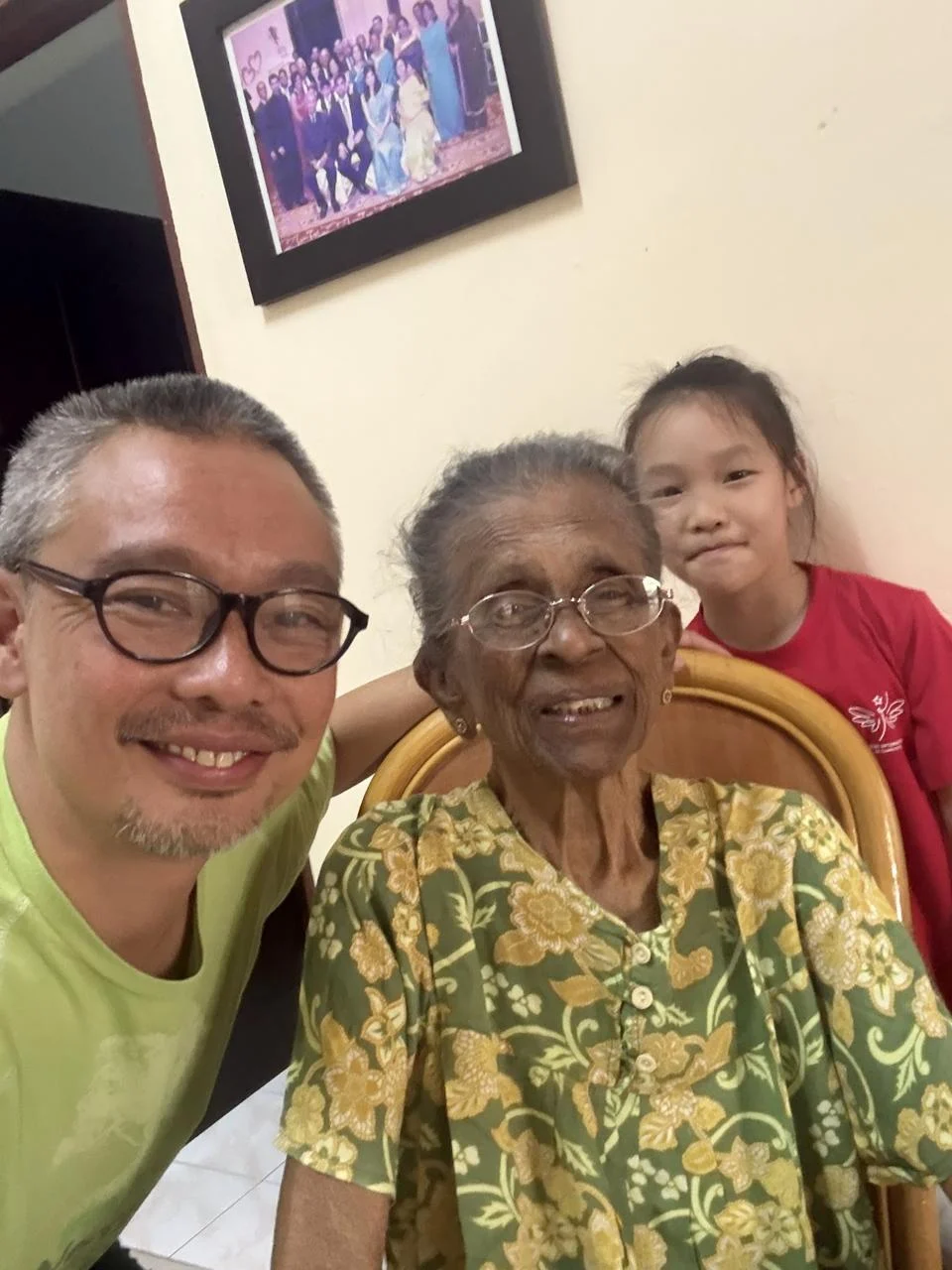
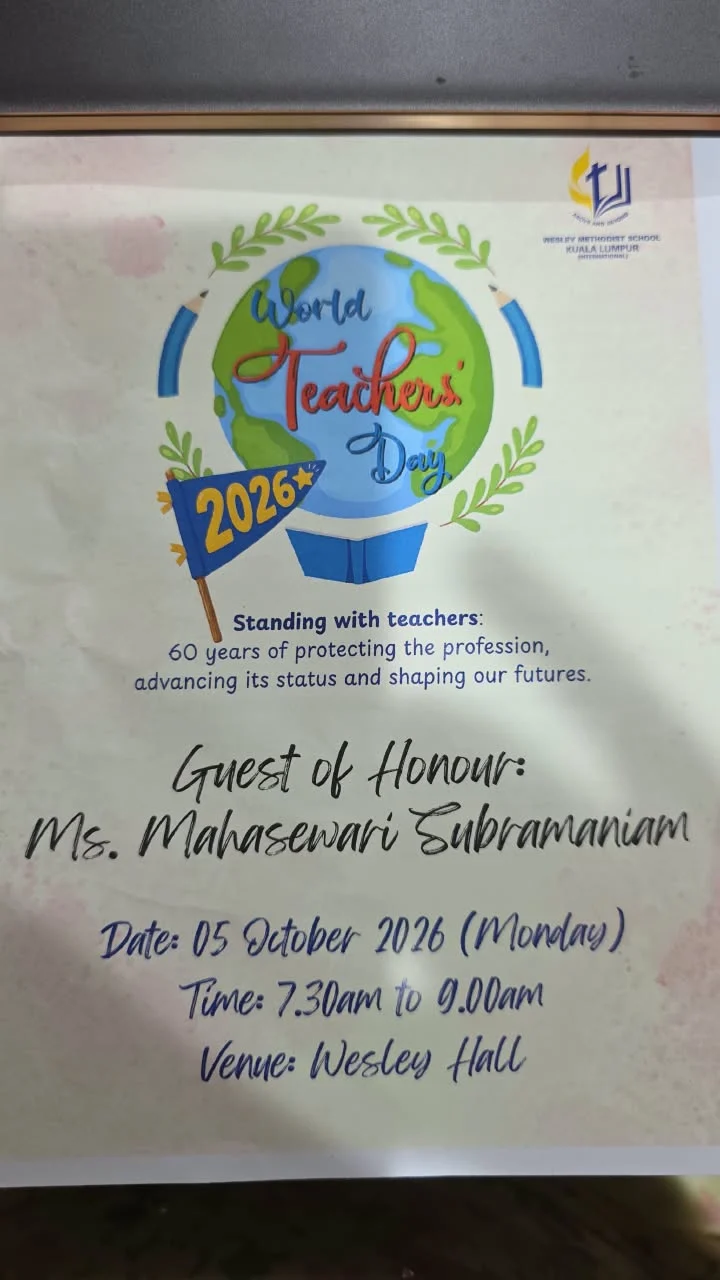
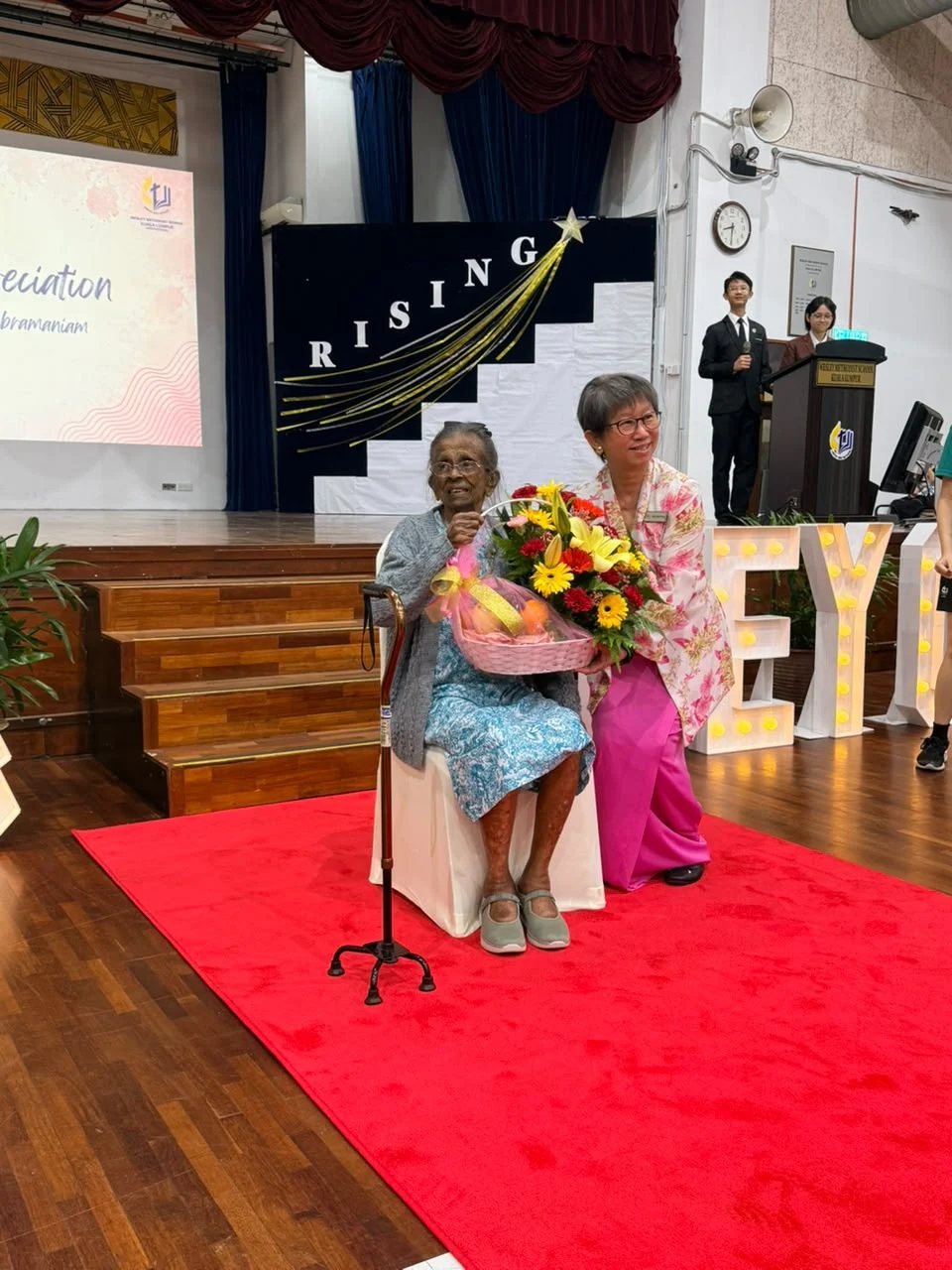
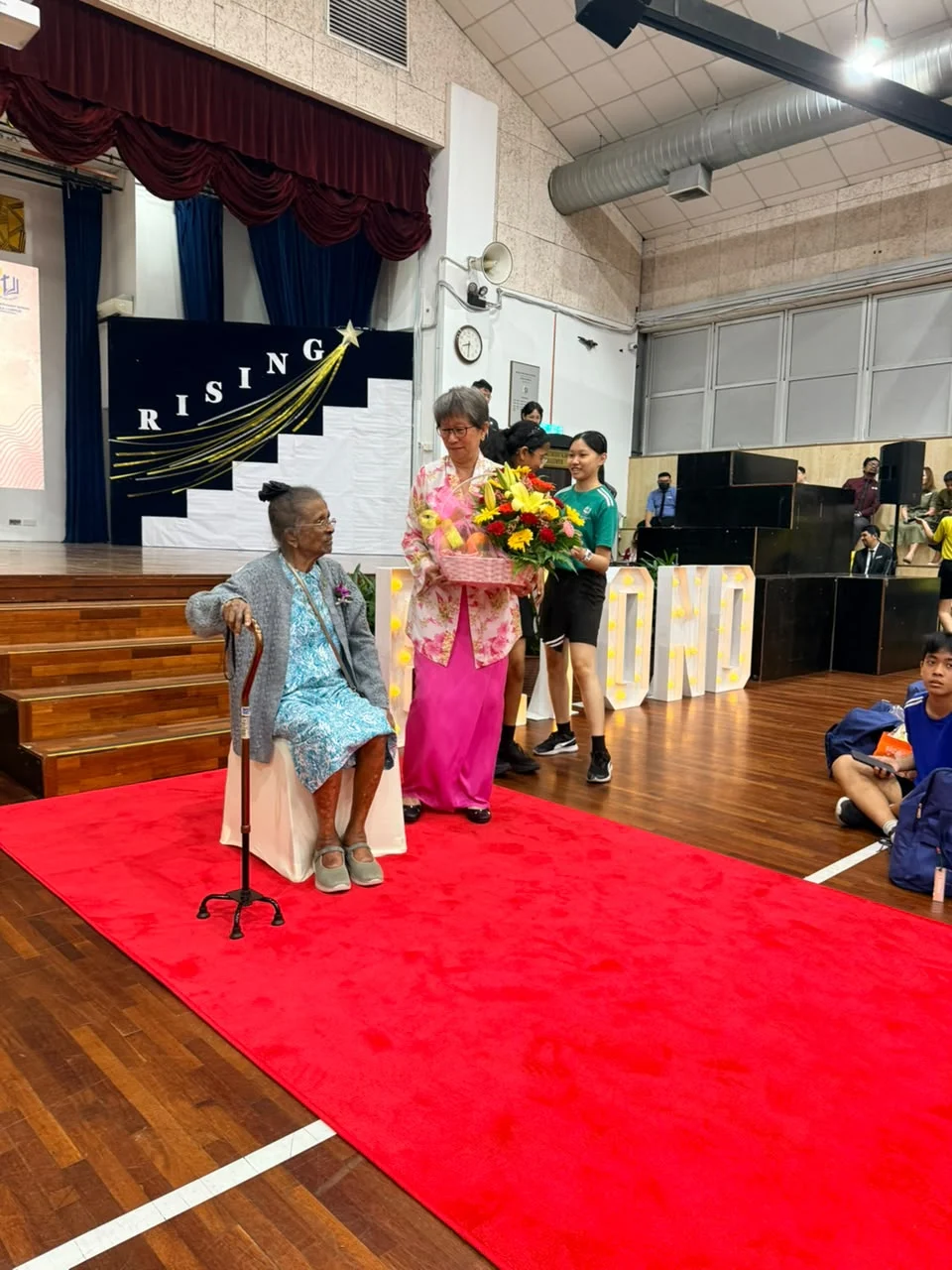
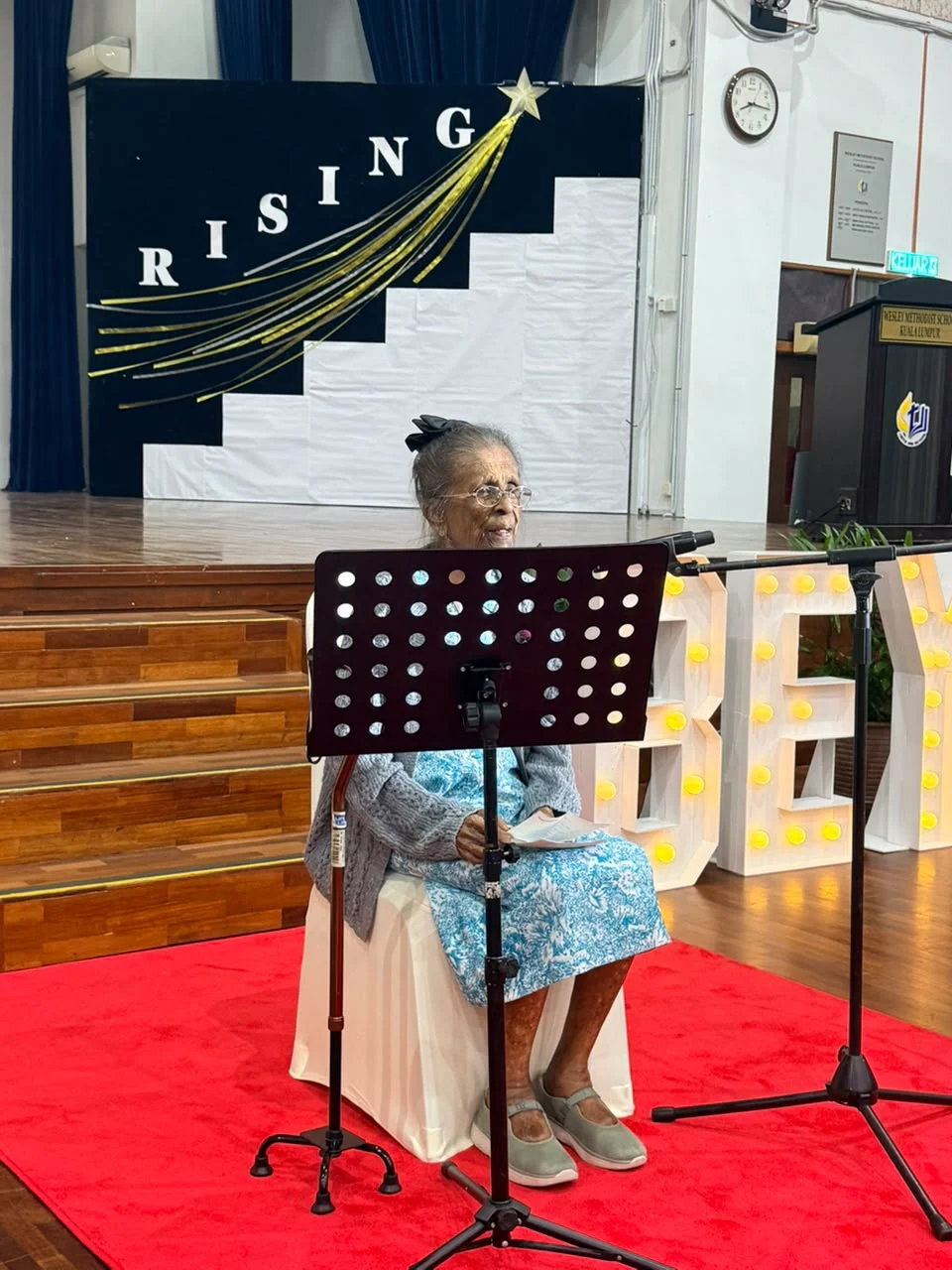
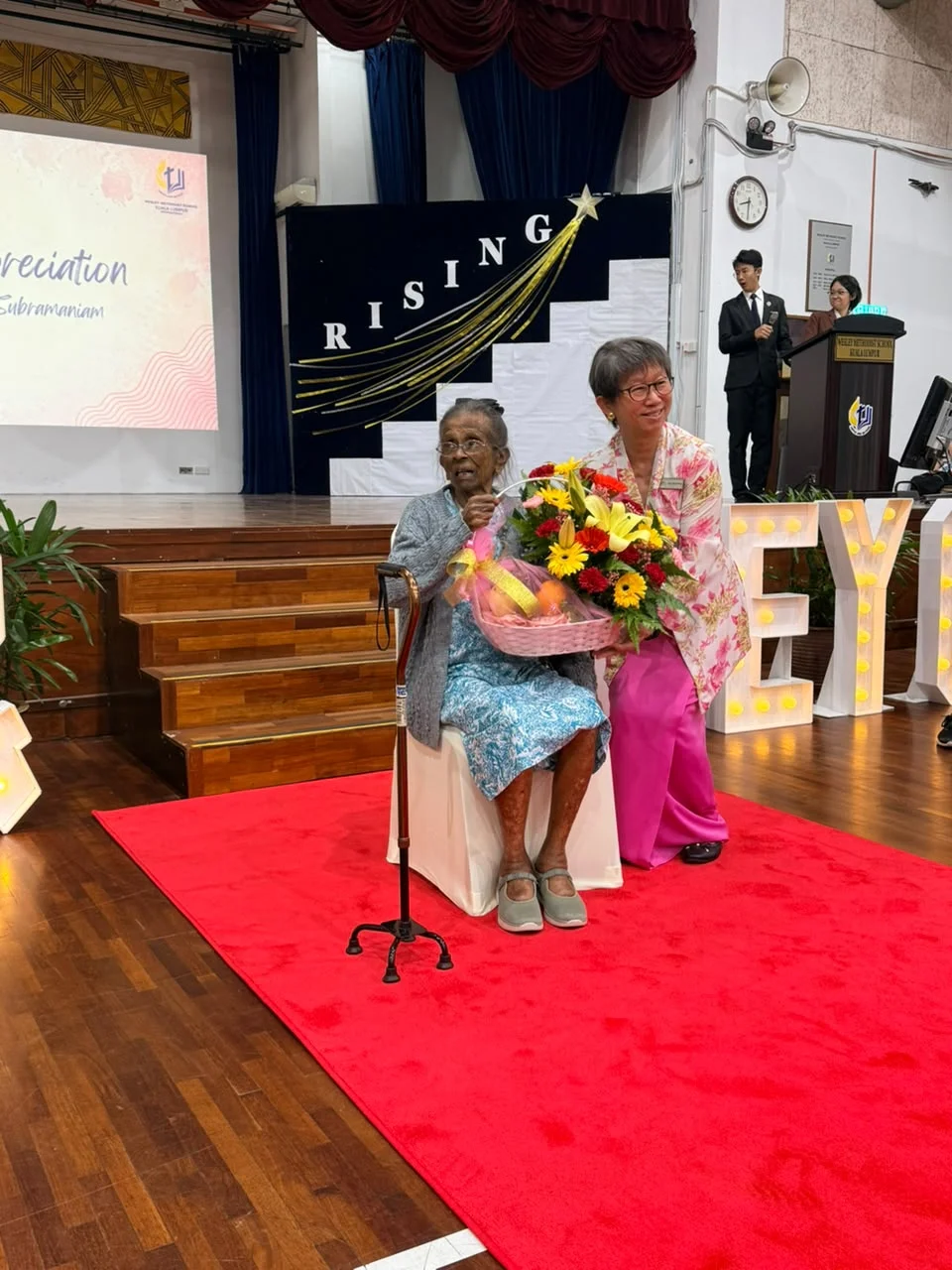
A day to remember
Students, speeches, flowers and a teacher worth celebrating. Tap a photo to see it in full.
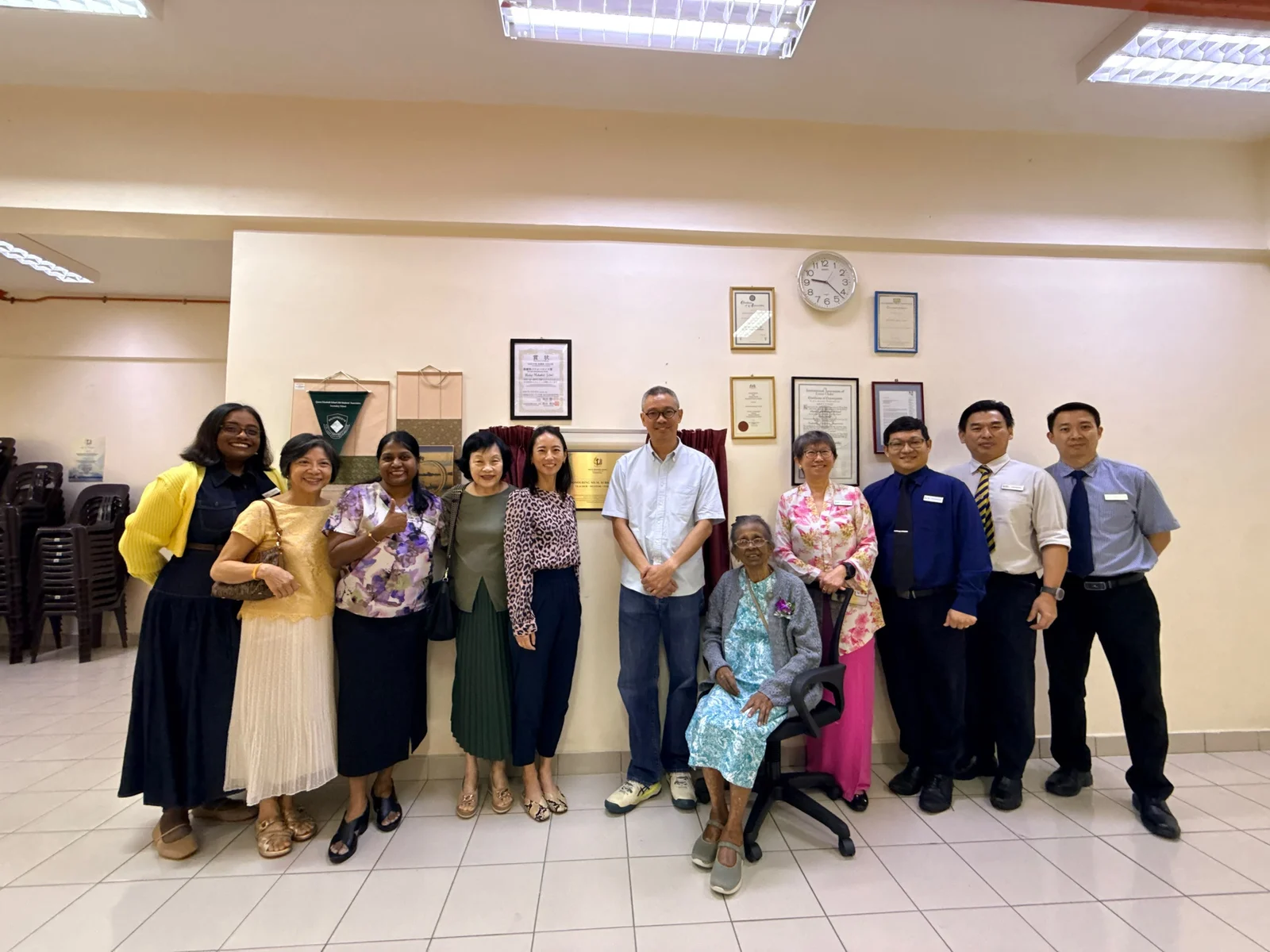
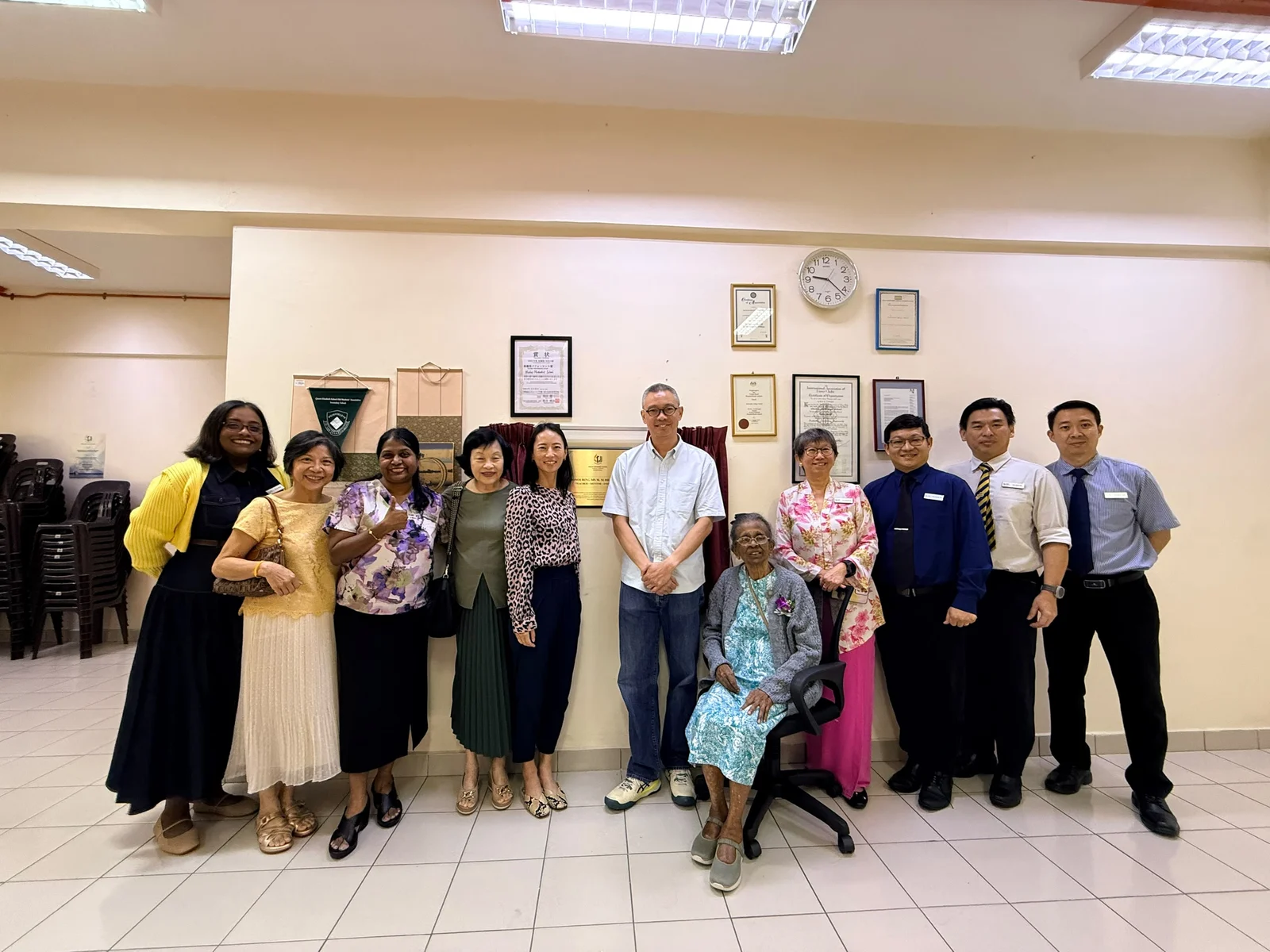
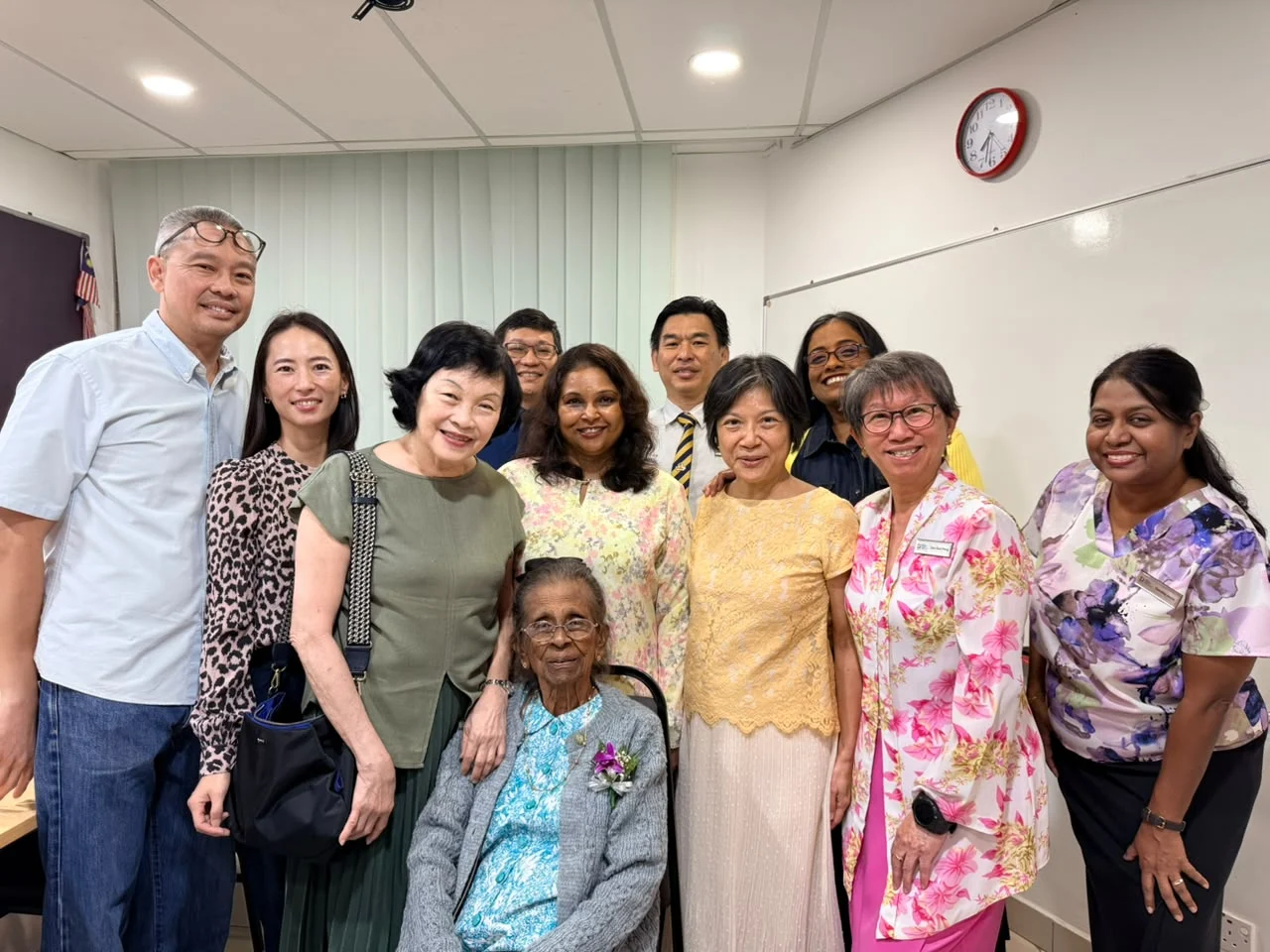
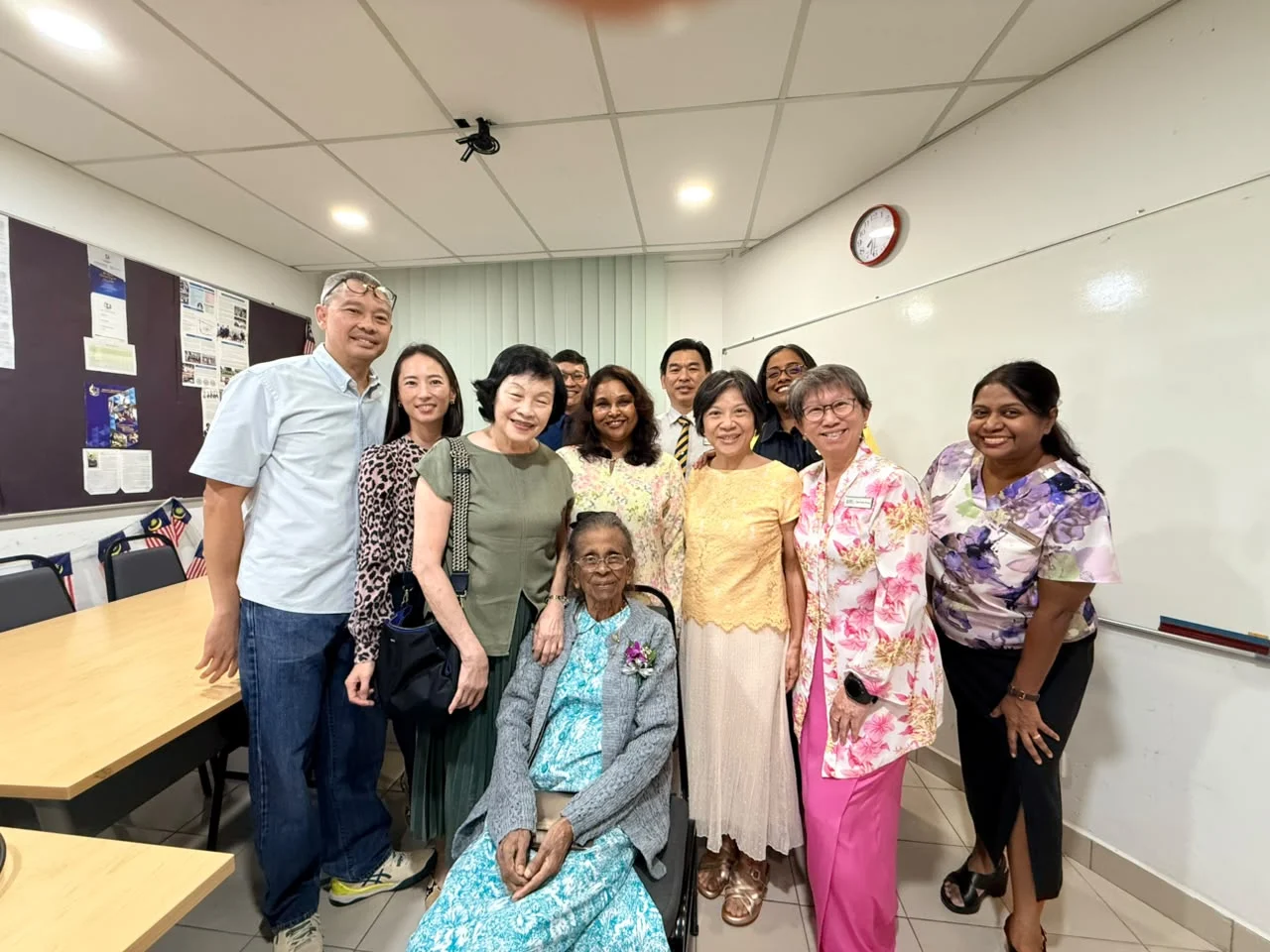
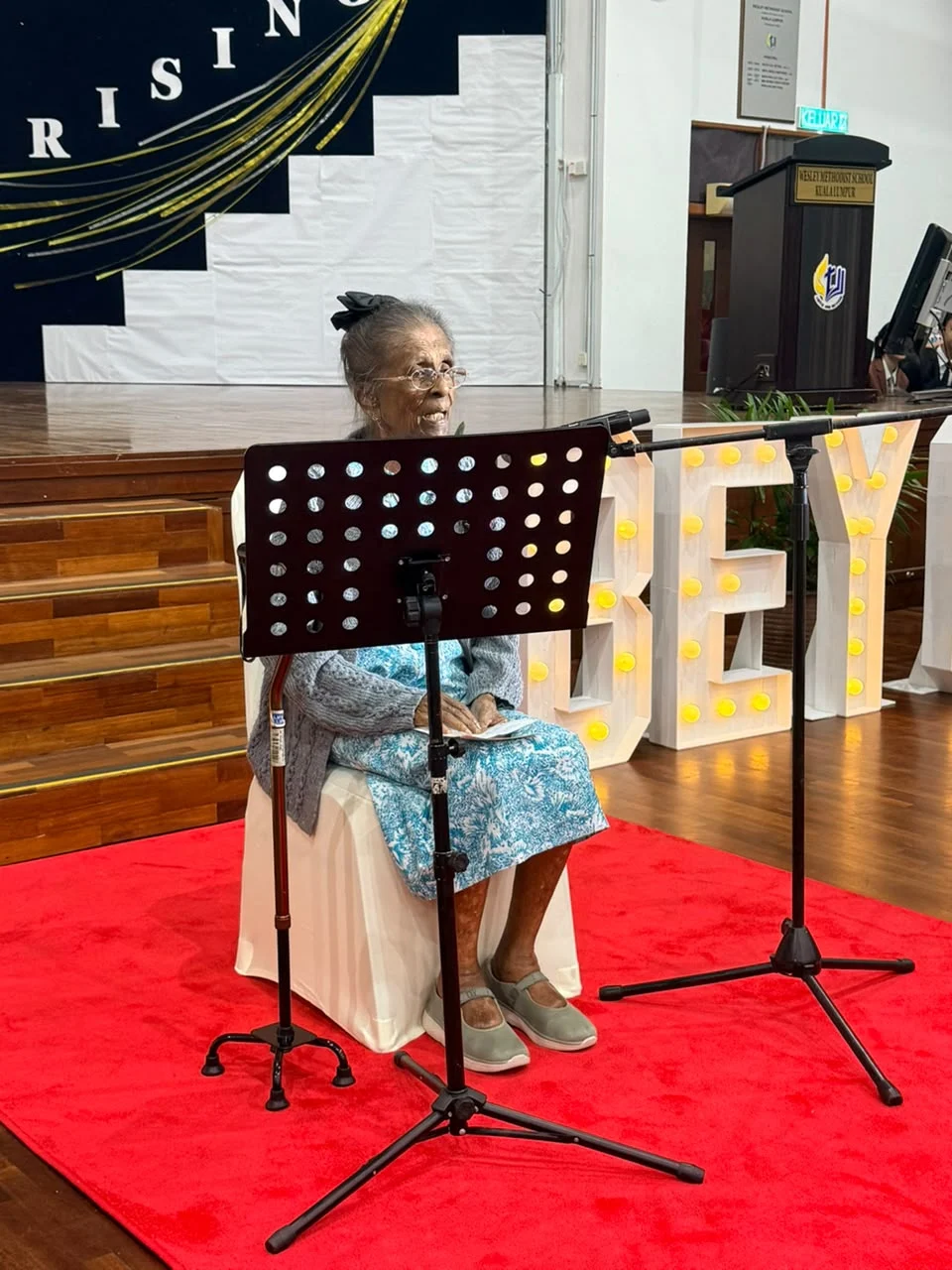
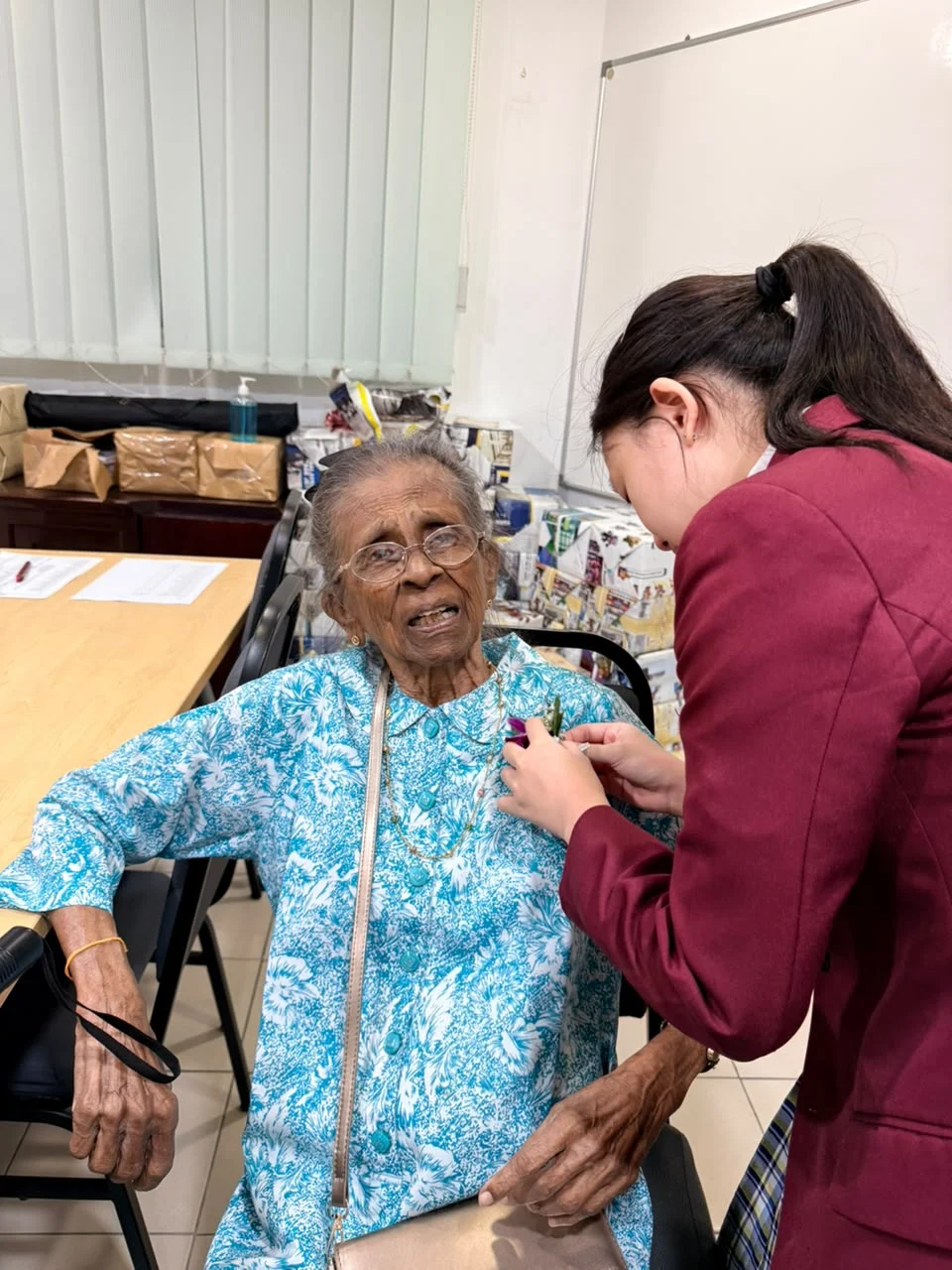
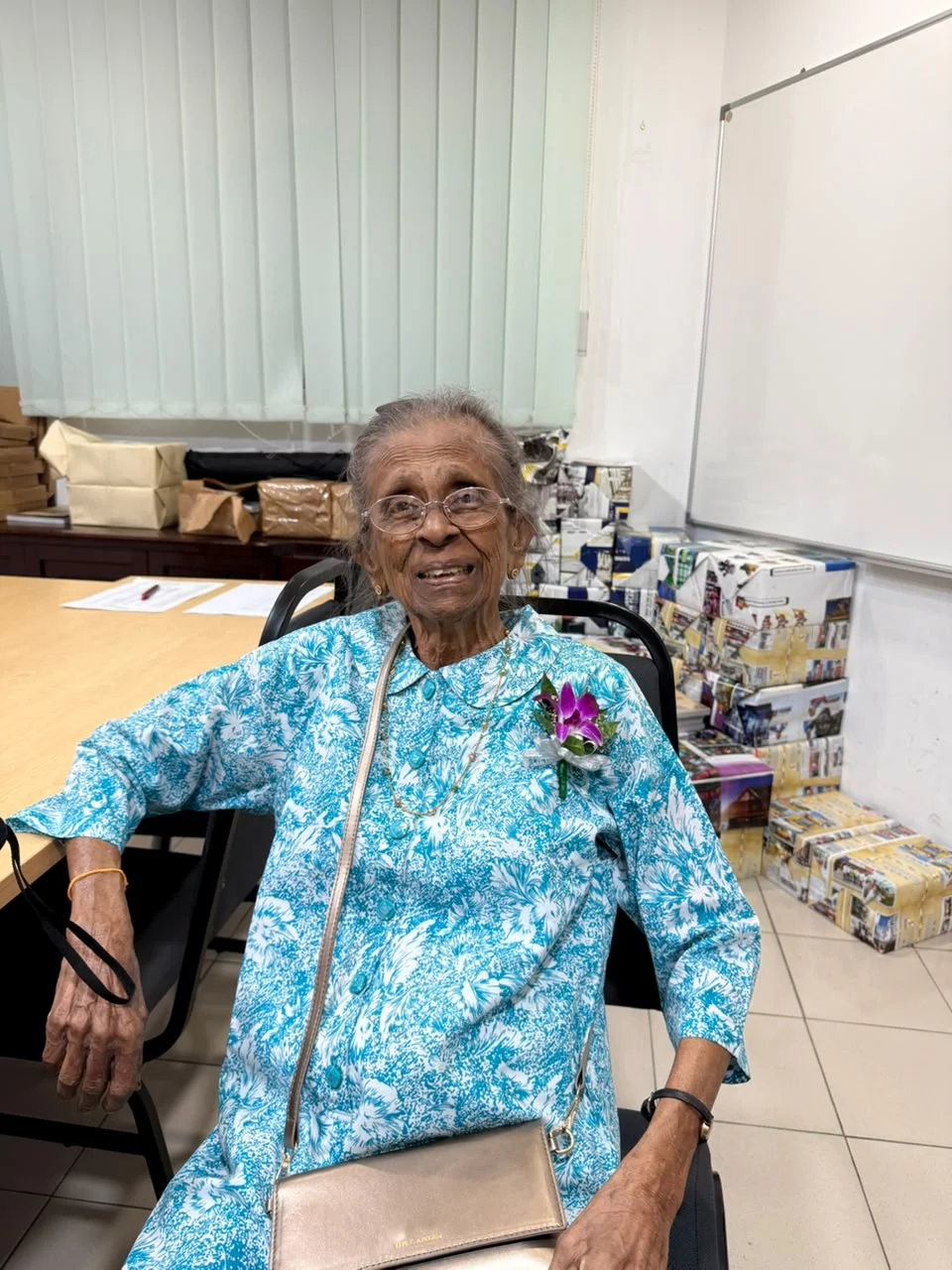
Open video
Open video
Open video
A student's gratitude
In his own words
In 1992, Phoa Tai Han was in her chemistry class. Thirty-four years later, he returned with these words.
I am writing in support of formal recognition for Ms Subramaniam, who taught me chemistry and was my class teacher in Form 5 in 1992.
Ms Subramaniam was a demanding teacher. Her standards were high, explicit, and consistently enforced, and she made no apology for any of it. That alone would make her memorable. What made her exceptional was the teaching craft behind it.
She taught chemistry in a way that made the subject genuinely compelling, and she taught for understanding rather than recall. Concepts landed at a conceptual level and stayed there. Just as importantly, she could read a room: she knew the difference between a class that had understood something and a class that had merely stopped asking questions, and she would not move on until the former was true. That diagnostic instinct is the hardest thing in teaching to learn and the easiest to skip.
The result was that her students left her classroom actually knowing chemistry. She cared about educational outcomes and she had the ability to deliver them, and I would observe that those two things do not always travel together.
I have spent my career since in engineering and investment, both fields in which the ability to reason from first principles is the whole game. I trace a meaningful part of that capacity to the way Ms Subramaniam taught me to think. Thirty-four years later, her influence remains one of the clearest I can identify from my school years.
I would be glad to expand on any of this, or to help gather testimony from her many students she faithfully served in her many years of teaching at our school, I have no doubt would say much the same.
Yours faithfully,
Phoa Tai Han
Form 5, 1992
For Isa and Sia
Mahes Paaty is part of your family and part of many students' stories. Chemistry helps us understand the world. A good education teaches us how to think. Being remembered and thanked decades later is a remarkable honour for a teacher. At 93, she is still here for you to get to know. We hope you'll have that chance.
Keep that curiosity going
What is chemistry?
It is the study of what things are made of and how they change. From a fizzing lemon to the water you drink, chemistry is all around you.
The building blocks of everything
The periodic table is a map of 118 elements. Each symbol is a short name. H is hydrogen; O is oxygen. Together, they make water.
Look for C (carbon), Fe (iron) and Au (gold). On a phone, slide across the table.
Your turn, little scientists!
Four tiny challenges. Try, guess, and try again.
1. Spell with elements
Make CAR using element symbols.
Use the tiles, type your answer, or write it on paper. Can you find the element symbols too?
Your tiles go here
This is a spelling game. These words are not chemical recipes!
2. Element detective
Find the element we breathe: oxygen.
3. Chemistry around you
Which element is in the graphite inside a pencil?
4. Build a water molecule
H means hydrogen. O means oxygen. Choose two H atoms and one O atom to make H2O.
H: 0 · O: 0
P.S. Dad thinks the young visitor in the reunion photo may be the student's daughter, and she looks around your age. Her dad may be older than yours. That is the lovely thing about a love of learning: it can travel from a teacher to a student, then on to the next generation.